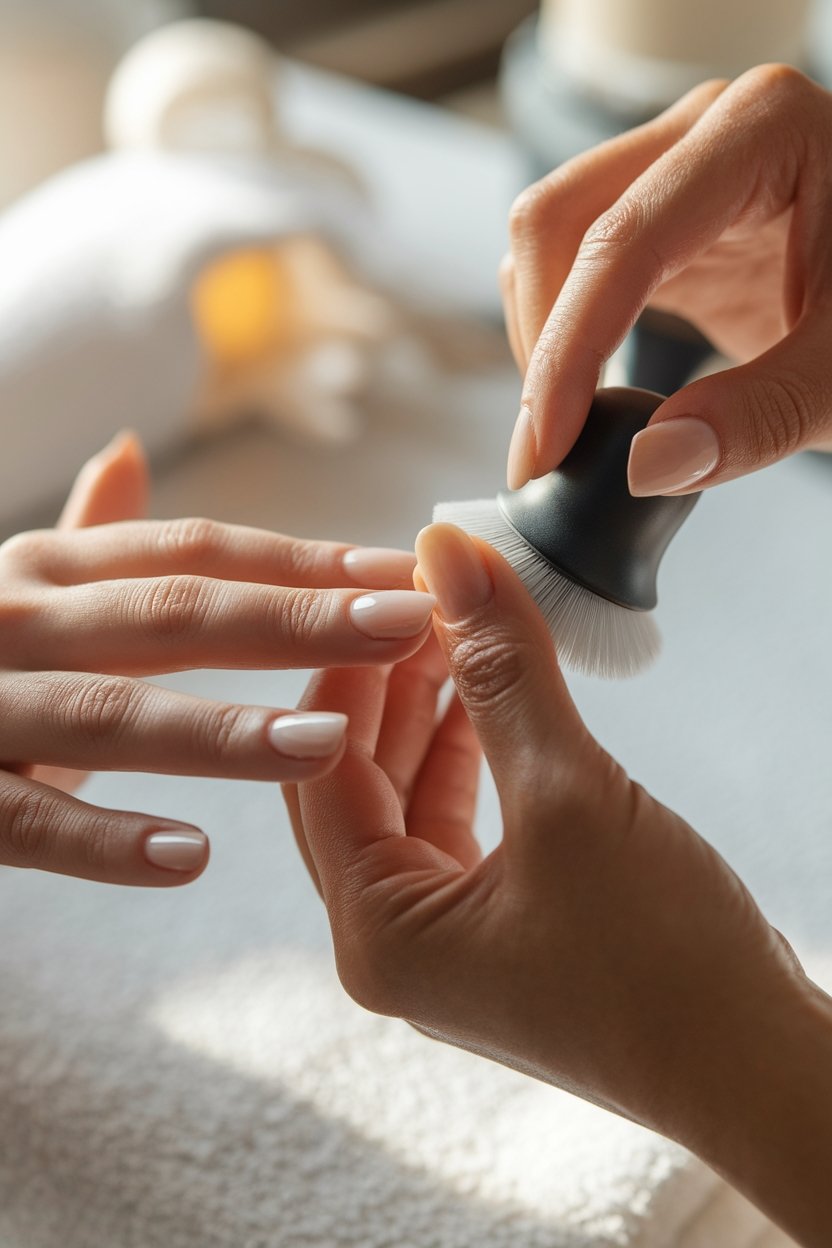
Somewhere between a salon secret and a DIY disaster, nail buffing has become that step in your routine you’re not totally sure you’re doing right.
One minute your nails look shiny and smooth… the next they’re thin enough to bend when you open a can.
So yeah, buffing can be magic or a mess. It all depends on how you do it — and how often.
This guide breaks down the good stuff (natural shine, healthier nails) and the mistakes that’ll leave you saying oops with a band-aid.
So, how do you strike the perfect balance and keep your nails looking fabulous? Let’s explore the benefits and risks, and I promise you’ll get some great tips!
- Buffing boosts blood flow and can make nails look smoother and healthier
- It gives a natural shine without polish
- Overbuffing can lead to thinning and breakage
- Once every two weeks is plenty… less if your nails are weak
- The right tools and a gentle hand are non-negotiable
Nail Buffing 101
What Buffing Actually Does
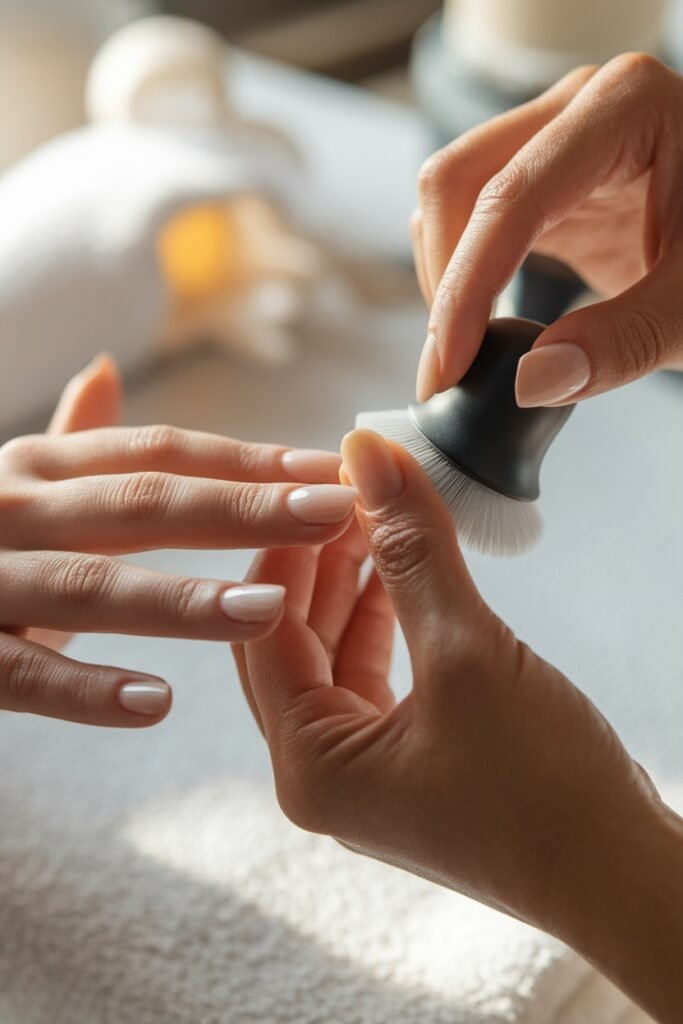
Think of buffing like exfoliating for your nails… it smooths out ridges, evens the surface and brings out a natural glow without a drop of polish. It also boosts blood flow to your nail beds, which can help with growth and overall nail health.
When you think about the little things that can make a big difference in your nail care routine, buffing might just steal the spotlight! Honestly, who doesn’t love a natural shine?
So, it’s the easiest way to fake a fresh mani when you don’t have time (or energy) for the whole paint-dry-pray-it-doesn’t-smudge routine.
Just don’t get too excited with the buffer — more on that in the next section.
When Nail Buffing Goes Too Far
Here’s where things can get sketchy. Buffing too hard or too often doesn’t just dull the shine… it can literally thin your nails out. Once the top protective layer is gone, your nails are more likely to peel, break or feel sensitive to everything.
Overbuffing can also mess with your nail’s natural texture, making polish sit weird or chip faster. And if the surface gets too rough? That’s an open invite for bacteria.
Regular buffing is not harmful when done in moderation. Bottom line: more isn’t better. Buff like you’re handling your favorite sunglasses… not scrubbing a pan.
How to Buff Safely
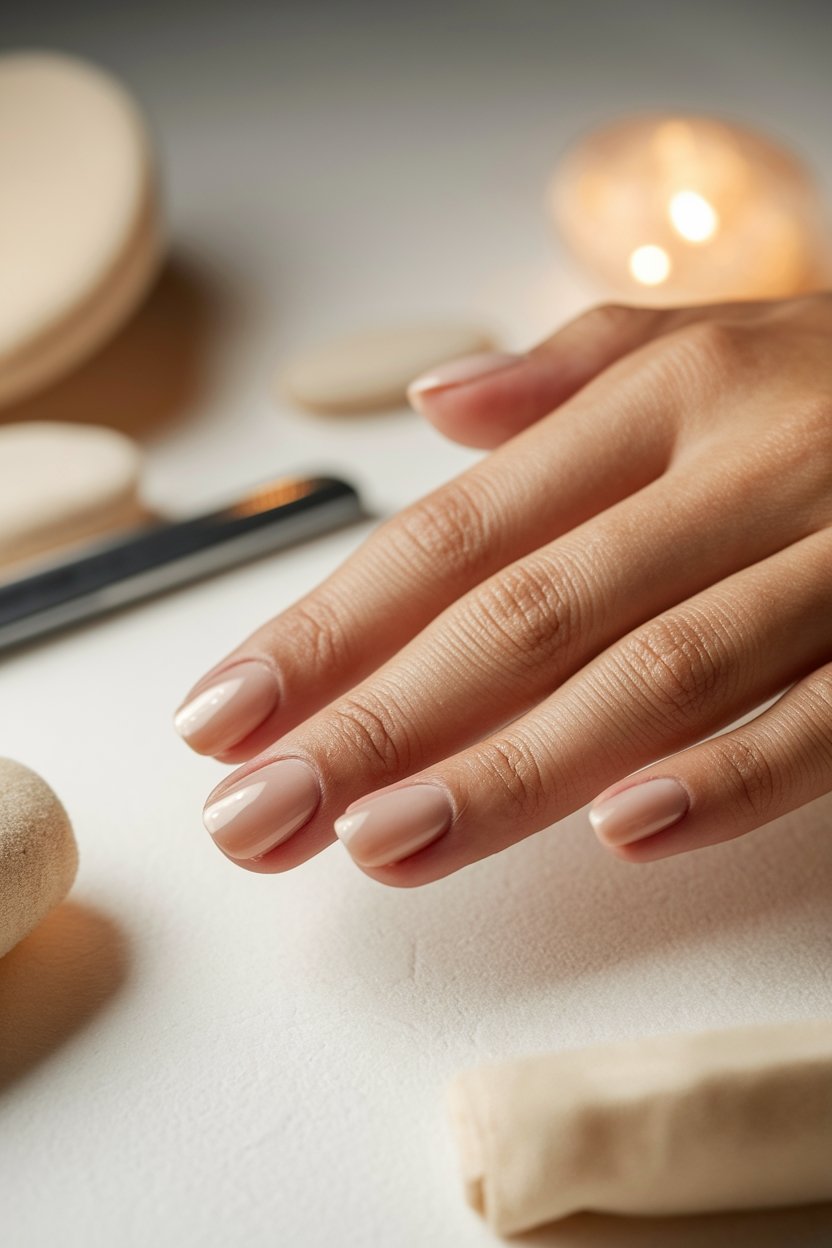
Buffing should feel like a chill little self-care moment, not a full-on arm workout. The goal is to smooth and shine — not file your nails into oblivion.
Here’s how to do it right:
- Start with clean dry nails (no oils or creams yet)
- Use a fine-grit buffer, not anything that feels like sandpaper
- Gently buff in one direction — no aggressive back-and-forth
- Focus on the surface only… never go near the same spot for too long
- Follow with cuticle oil or hand cream to lock in moisture
Keep it light and easy… like you’re brushing lint off your favorite tee.
How Often Is Too Often?
Nail buffing isn’t a daily habit — think of it more like a treat, not a to-do list item. How often you buff really depends on your nails.
Here’s the vibe:
- Healthy nails? Every two weeks is your sweet spot
- Weaker or thinner nails? Once a month, max
- Already damaged? Skip it until your nails recover
- Gel or acrylic users? Only buff when absolutely needed and be extra gentle
The rule? If your nails feel sensitive or look thin, take a break. No shine is worth wrecking your nail bed.
Potential Risks of Nail Buffing
While buffing your nails can feel like a little spa day at home, it’s important to remember that there are some potential risks involved.
- Nail thinning can make your nails weak.
- Overbuffing might leave you with a rough surface.
- Excessive buffing increases infection risk.
- You could experience sensitivity or discomfort.
If your nails feel thin, sore or bendy… you’ve done too much. Visible layers or a rough chalky texture are also red flags. Pause the buffing and focus on moisturizing and strengthening products instead.
Tools That Won’t Ruin Your Nails
Not all buffers are created equal — and if you’ve ever used one that felt like a drywall sander, you know what I mean. The right tools make all the difference between a healthy glow and a nail emergency.
What to use:
- A fine-grit buffer block (soft and smooth, not scratchy)
- Sponge files for gentle shaping without damage
- An electric buffer only if it has adjustable settings and you’re not rushing
- A soft buffing brush for a final polish (or just to feel a little fancy)
Skip anything labeled “coarse” unless you’re filing actual acrylics. Keep it soft, keep it safe.
Healthy Shine > Overbuffed Drama
Buffing can give your nails that clean, glowy look that says I have my life together… even if you absolutely don’t. But like most good things, it only works if you don’t overdo it.
Stay gentle, use the right tools and give your nails time to breathe between sessions. You don’t need to buff weekly to get results — consistency and care matter more than effort.
So grab your buffer, take it slow, and give your nails a chance to shine without the drama. They’ll look better and feel stronger. You’ll notice the difference.